What's the scoop on AI in the photo world?
Over the last few years, AI has taken the photo world by storm. It's everywhere, almost ubiquitous.
The internet has become a cesspool.
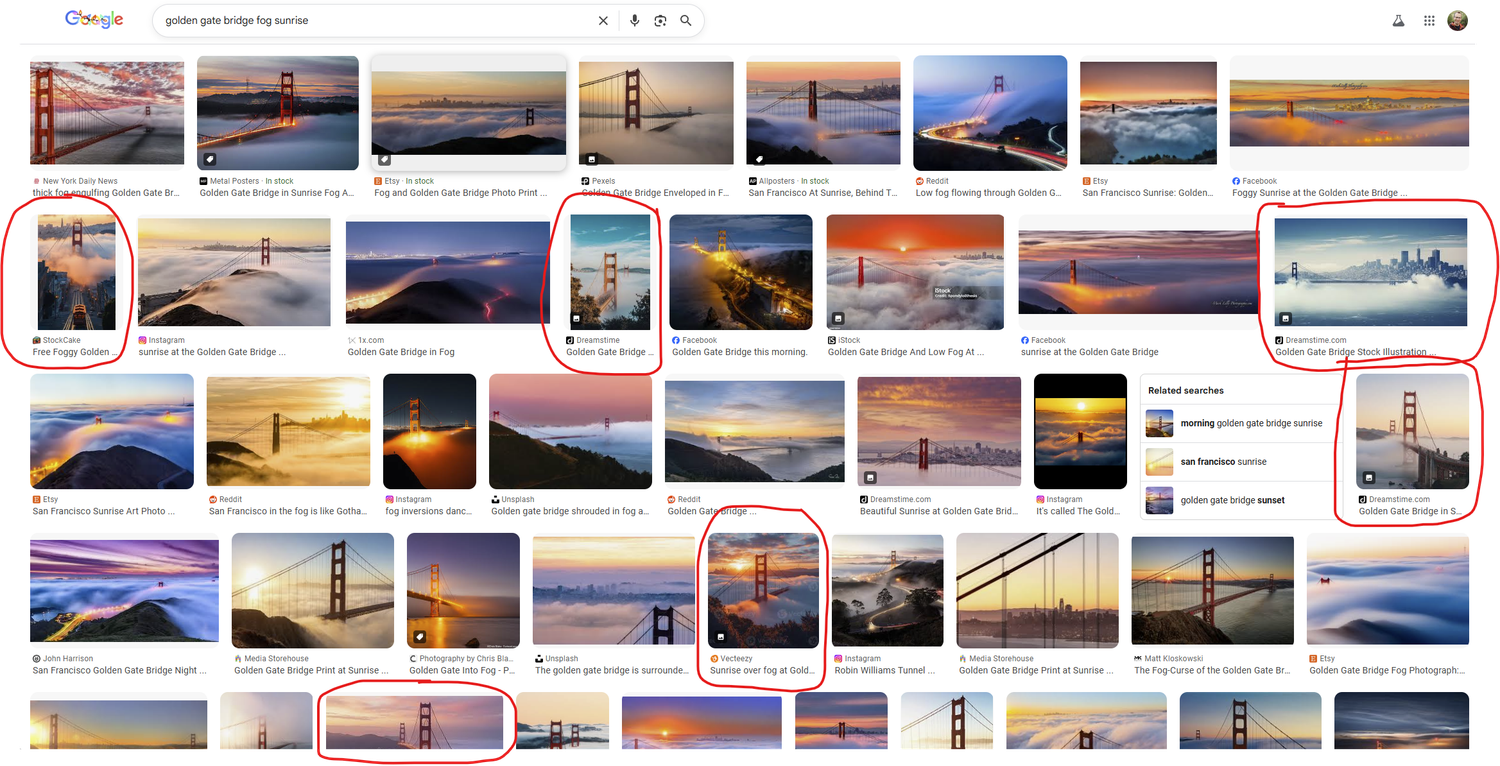
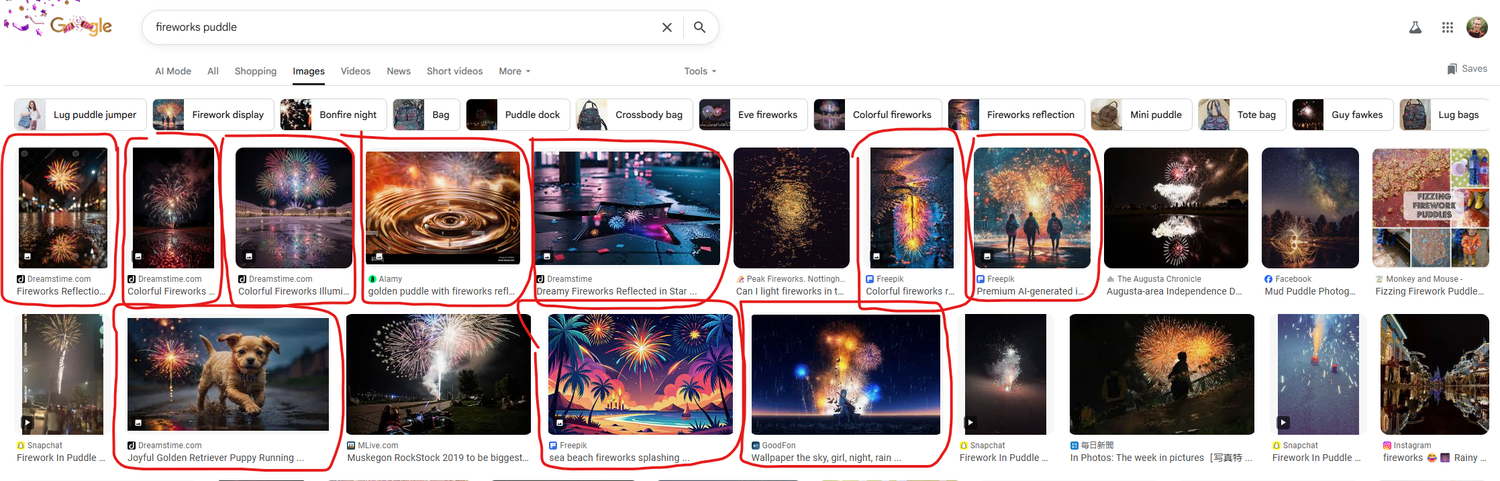
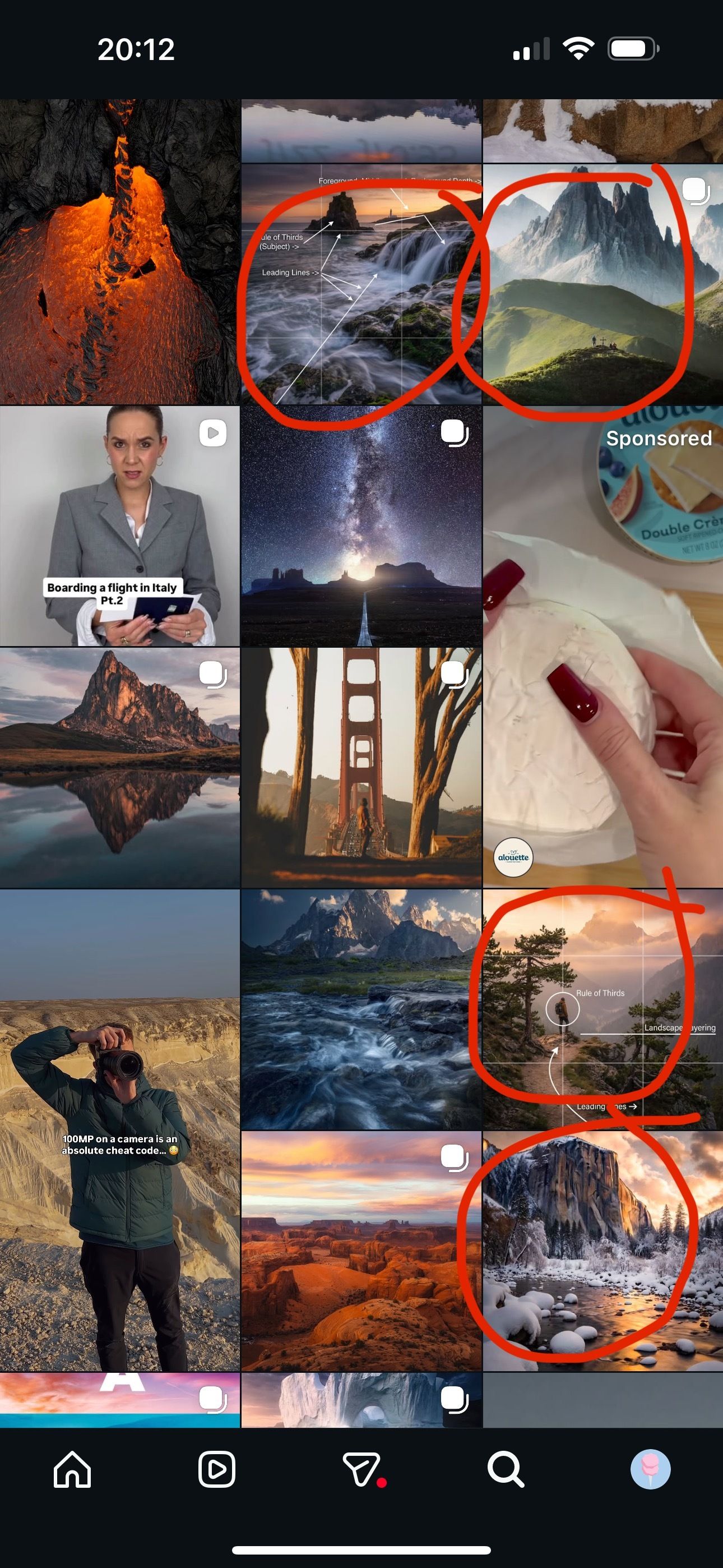
Try a Google image search for an interesting location, or scroll down an Instagram feed, and a good chunk of the images (and text on the pages) will be AI generated. Check Facebook or Flickr, and if you're lucky enough to find a series of authentic images, odds are high the titles or the captions will be AI generated. And perhaps the most concerning part: you might not be aware of it.
As a career artist for over a decade, I have no interest in this type of work.
Photos: A typical web search or scroll through a social media feed yields many AI generated images, circled in red.
How good is the AI generated stuff?
As with most industries, it's pretty good. It'll fool the majority of people. It'll even fool professionals sometimes. Looking closely, there are usually some inconsistencies. The captions will usually feature overly flowery, tryhard-but-simultaneously-impersonal language, and slight inconsistencies that someone who knows the story or has stood in the location wouldn't quite say. However, we are quickly speeding past the days of AI images of garbled text on signs and people with 7 fingers on one hand. One skilled in the art will often, but not always be able to pick fakes out.
Our brains are not wired for this stuff, and we consistently overestimate our ability to pick out the fakes.
A lot of AI content on the internet is not labeled as much -- it's not required to be. This, to me, is terrifying. It runs completely against everything I believe art stands for.
What is art, anyway?
Great question. There is no absolute definition. Artists are generally not certified or licensed, and are distinguished only by the emotions their work evokes. A community definition on Wikipedia makes the following attempt: "Art is a diverse range of cultural activity centered around works utilizing creative or imaginative talents, which are expected to evoke a worthwhile experience, generally through an expression of emotional power, conceptual ideas, technical proficiency, or beauty."
Because my art is rooted deeply in imagination and emotional connection, its meaning cannot be replaced by a large language model. However, again -- our brains are not wired for this. They allow us to become attached to AI-generated content as if it was from a human, and we can't fully control that response. This is why there are people with AI "friends" and robotic pets. It's why we read GPT advice as if it was coming from a human, even if it's hallucinating based off a 12-year old semi-related Reddit forum post -- because it's all our brains know how to do.
So, what's my definition of the art of photography? While I'm not a good enough wordsmith to develop a complete definition, it would surely involve
- an experience,
- an imaginative human brain,
- and an emotion,
all of which a viewer can develop an emotional connection to, and all of which are not possible with AI.
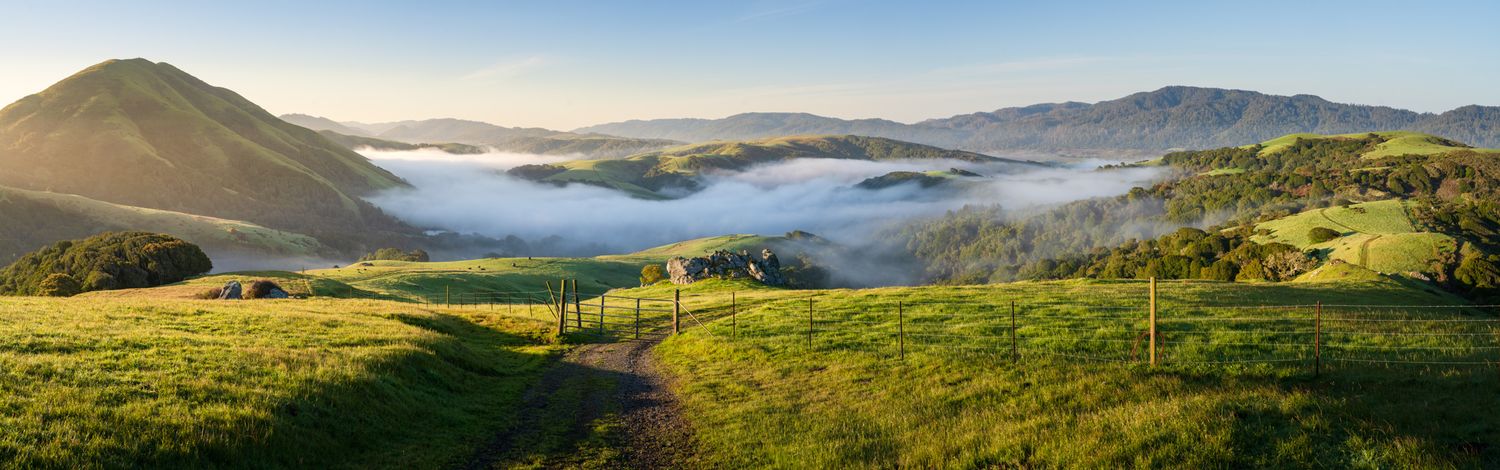
What about the titles, captions, etc?
Even among photographers who publish authentic imagery, AI-generated titles and captions have seen an explosion in popularity. In addition, artists are asking it to write their own biographies, artist statements, and other site text. I... strongly disagree with a lot of fellow artists on this one. I often feel like the rest of the world shrugs and accepts this. I don't.
This is UNACCEPTABLE. We can and should do better.
It should come as no surprise that not all photographers are the world's best writers. Some hate writing. But you know what? That's fine. Nobody cares if you're a Pulitzer Prize winning writer; viewers just want to hear from you and view authentic work. If all you'd like to say about the image is a couple words, that's fine. If it's just an emoji, fire away. If you prefer to let the image do the talking, that's fine -- just say nothing. Saying nothing is perfectly fine. An image already speaks 1000 words, why add another 300 of word salad? Undisclosed AI-generated captions can render the entire work meaningless to me, and erode my trust in the artist.
Why? Because all aspects of how the image is presented contribute to the viewer's experience. Even those who use AI to write their captions understand they're important enough that they feel the need to share something. Perhaps some may view the storytelling merely as a chore for helping the image turn up in searches, but here's the thing: if it's on the page, it's part of the viewing experience. Passing off AI slop as a component or accompaniment to your own art is a breach of trust, and frankly, throwing slop at your audience is insulting to them. As a viewer, spotting AI text beside an otherwise authentic image is like watching a magic act, and spotting an accidental trick giveaway. It makes you think, well, what else are they hiding? Why would anyone trust someone they know to be deceiving them? Discovering that AI has replaced creativity anywhere in the art viewing experience spoils the magic and causes the entire illusion to unravel, stunting any meaningful connection to the art. When used as a replacement for part of the human creative process, its disclosure should be mandatory.
As humans living in a slop world, sincerity is becoming more difficult to come by. Our brains are woefully unprepared to deal with this crap. Let's not give into laziness. Let's not feed it to each other.
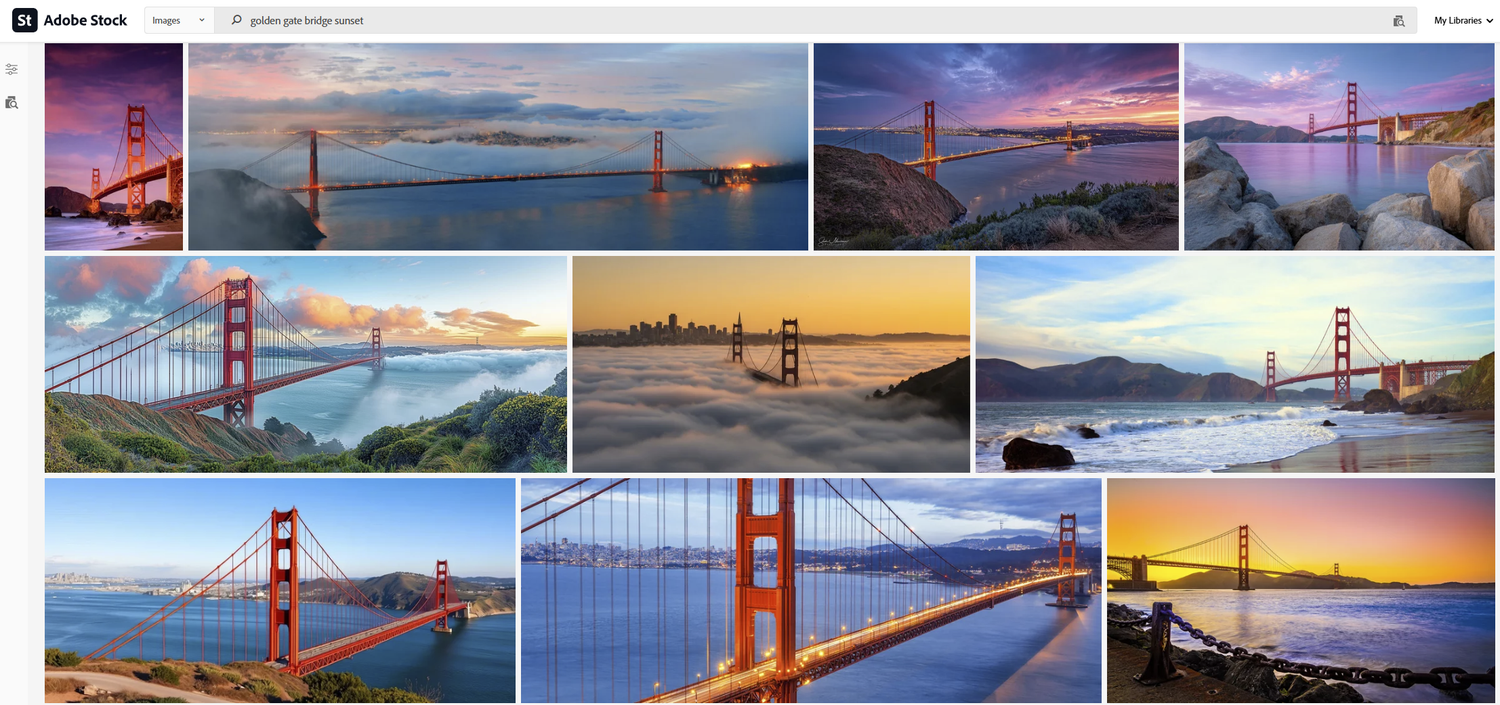
How many AI-generated images do you see in this search result from Adobe Stock? See the end of this post for the answer...
How I use AI in my work
So, by now, you might be thinking, "well, you must use AI somewhere in your work, Jeff".
This new technology presents an exciting but perilous landscape in creating my art. I have previously written the following:
"I am a landscape artist. I do not care about "rules" of photography. I create. Being a journalist would hinder my ability to fully express myself. If you are searching for photojournalism, you will not find it here. The term "photograph" fails to accurately describe the vast majority of modern camera art. My work is no exception. I refer to my images as visuals. A visual may not always meet strict criteria for a photograph. It is camera art."
However, a few years later, with the meteoric rise of AI and LLMs, which could also produce visuals, I felt compelled to clarify and elaborate:
"However, as we rapidly progress (or, some might say, regress) into an age of AI “art” and one-click sky replacements, I feel compelled to distance myself from these forms of digital creation, and instead to practice responsible use of these technologies that are new and exciting, but unregulated and, frankly, a bit scary. I will gladly embellish and interpret moments, but I prefer to not invent them. This is, of course, consistent with the widely accepted methods of numerous classic and revered painters, sculptors, musicians, and other artists. It’s important to me that all of my images are anchored in actual experiences that I have had, and you, too, can have."
In the real world, this means I happily employ AI for assistance with mundane tasks that will save me time in achieving the end result I'm after. It helps me remove dust and small unwanted objects in the photo with far greater efficiency and better results. It helps me make detailed selections of the sky, people, mountains, and other objects in the photo, so I am better able to make the exact edits I want to achieve my creative vision. It can help me smooth out unwanted noise in a low light photo so the print looks more pleasing, or to allow me to make a cleaner large print of a photo taken on a lower resolution camera. These features, to me, are revolutionary and mind-bogglingly powerful. They help me achieve my vision, but do not attempt to communicate my vision for me. They do not replace any part of my creative process. And this is the key distinction to me, and why I feel strongly that AI has no place in photo titles, captions, or other creative decisions.
Of course, all of this is just my opinion, and our choice as individuals to make. Having been a full-time artist for over a decade in the face of this rapid industry change, I'm beginning to feel like a grumpy loner screaming into the void. But I'm okay with that. I still hold human values dear, and I believe trust and sincerity still matter.
It's never been more important for artists who are doing honest work, to take a stand together against this slop. And it's equally important for our customers to be able to trust the the artists they support. As artists, we might not have the power to force AI disclosure -- but we can commit to our clients that when they shop with us, they will continue to receive authentic human creativity, emotion, and connection. That is certainly the case at landESCAPEvisuals, and I don't intend for this to change anytime soon.
I choose to not outsource my creativity.
I choose to represent my own experiences.
I choose to have AI work for me, not to let it speak for me.
Those are the choices I'm making. I hope you'll join me.
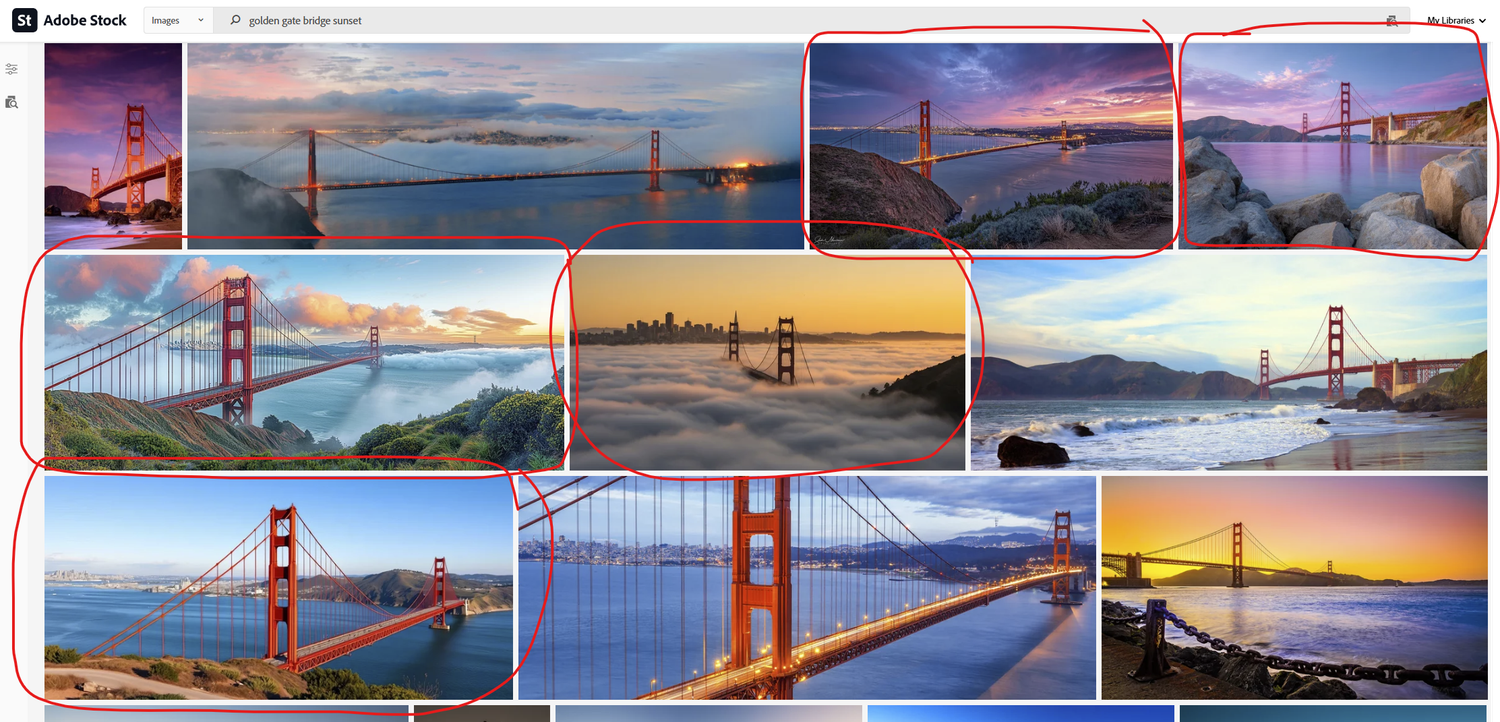
Here are the answers -- half of these 10 images that turned up in my search, are completely AI generated. Let that sink in!
(I'll be honest, that third one in the top row got me...)
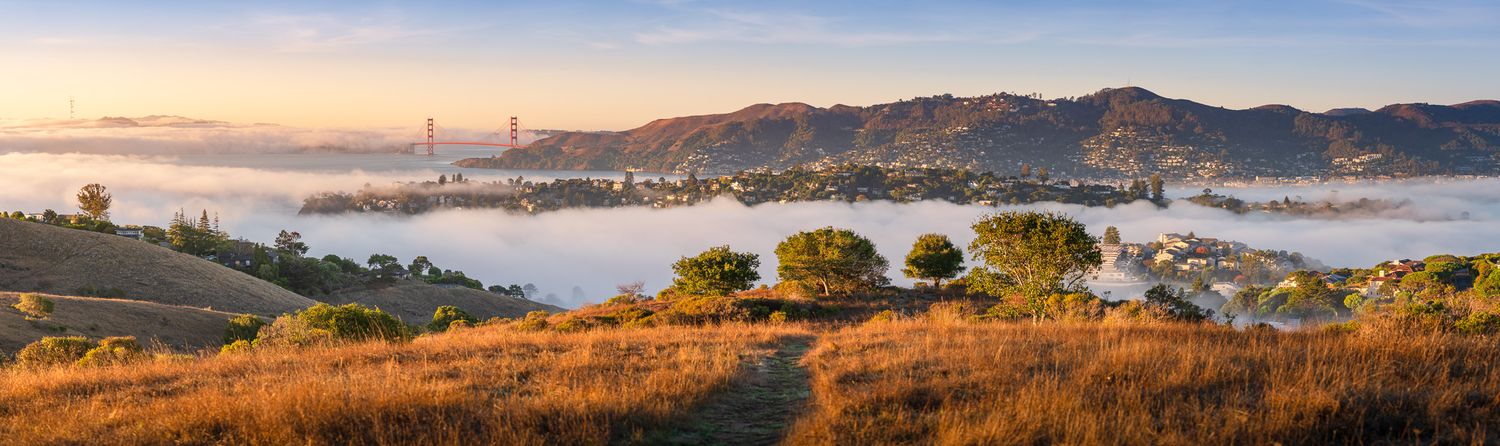
*AI note: No AI was used in the writing of this post, or with any of my other blog posts before it. None of the text on my website is AI-generated or suggested.
*Note: Please understand that this post is not directed at any individual, but rather a widespread social media pattern that I find disappointing, dehumanizing, and frankly, terrifying. I hope we're all able to grow stronger as a community and taking pride in the authenticity of our work, because it's all we have.


